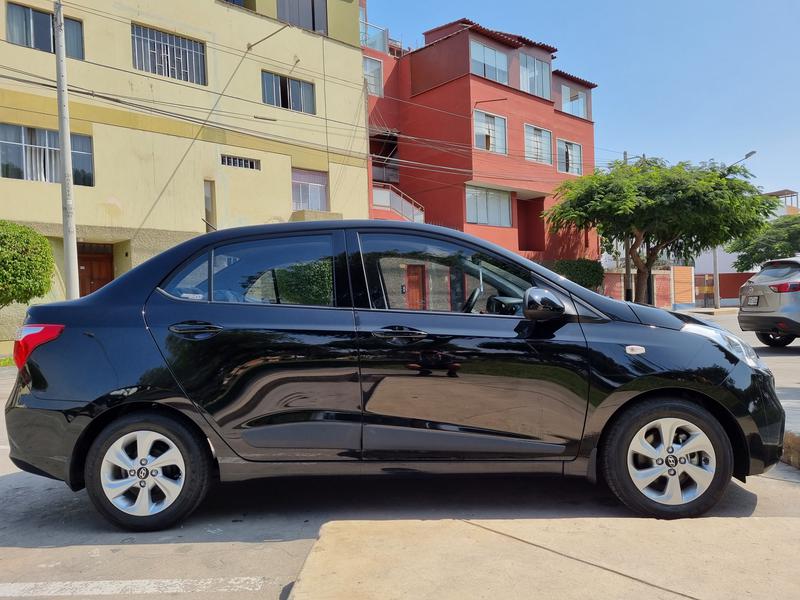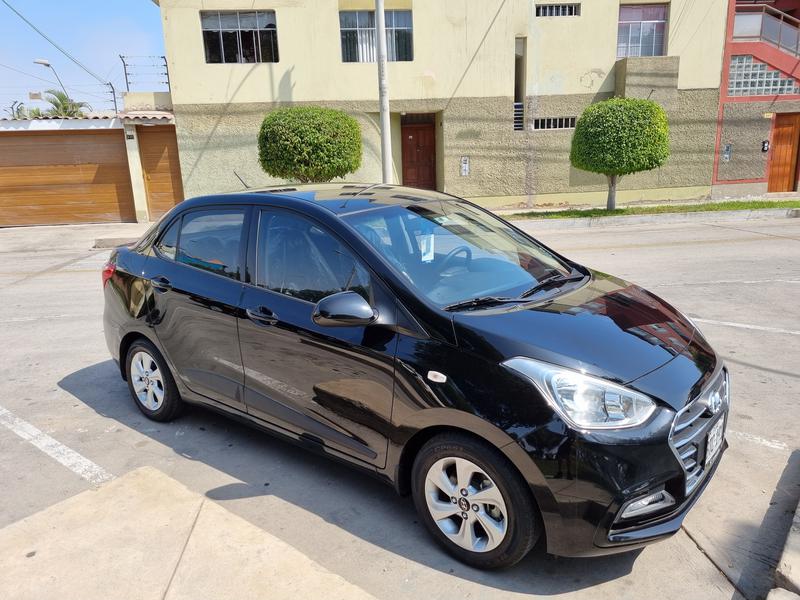
Hyundai i10 • 2020 • 100 km

Ti gbejade 05/13/2021
|
Califica este vehículo

Hyundai i10 • 2020 • 100 km

Owo
$ 13,000 USD
Lima, Lima

Awọn alaye ọkọ

Ipilẹ
Ti lo
Olupese
Hyundai
Awoṣe
i10
Odun
2020
Ara ara ọkọ ayọkẹlẹ
Sedan
Gbigbawọle
Laifọwọyi
Mileage
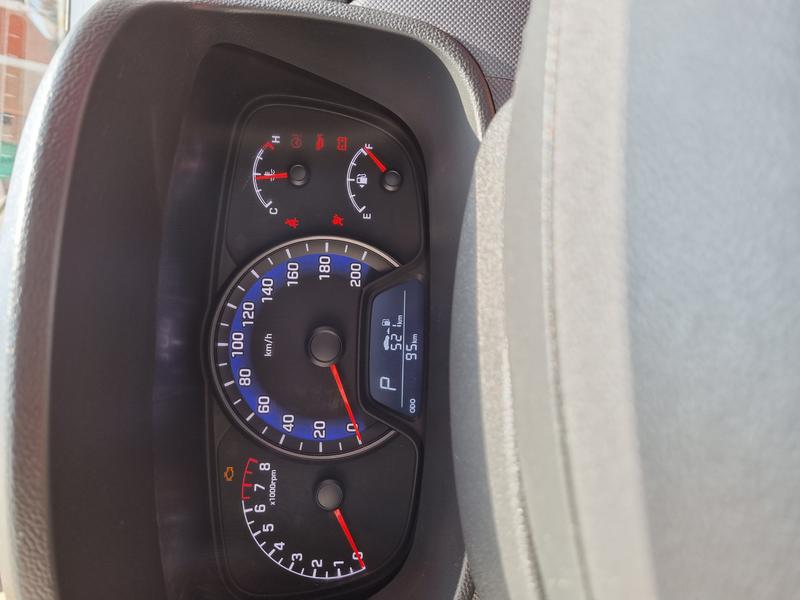
100 km
Iru idana
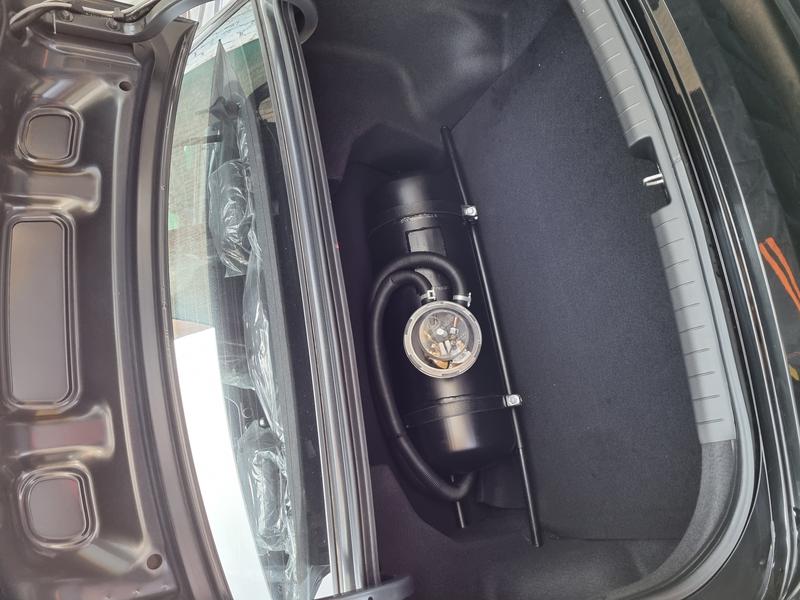
GLP

Apejuwe

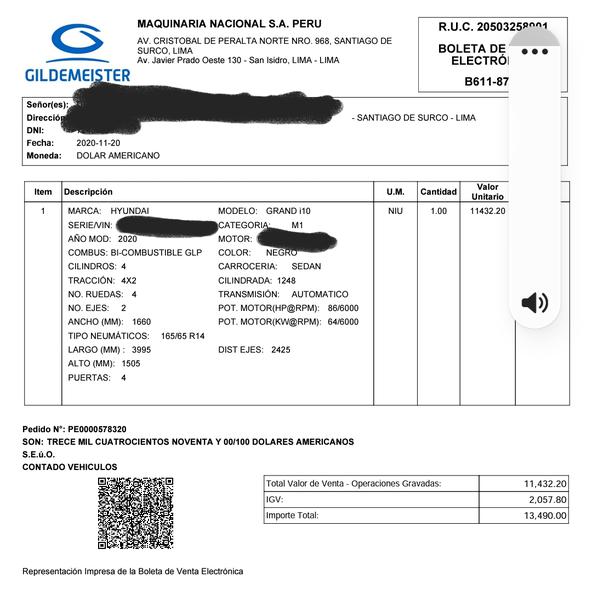
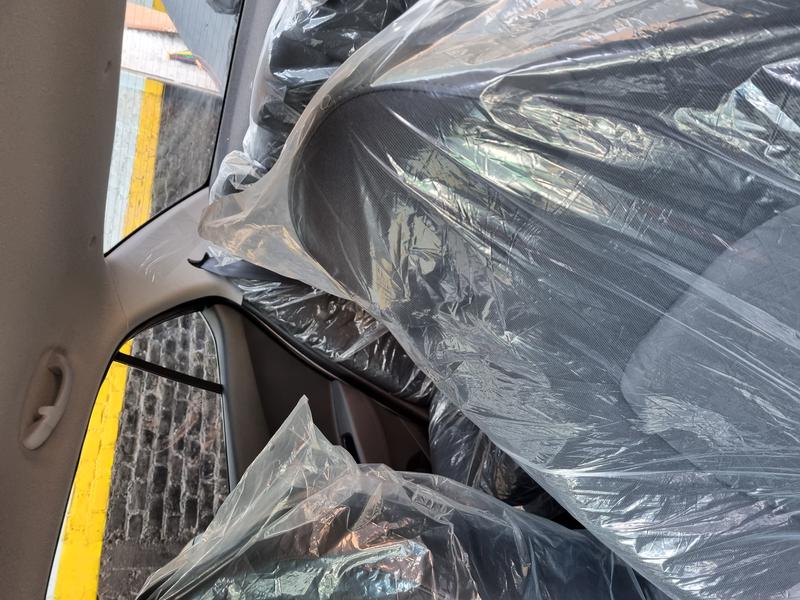
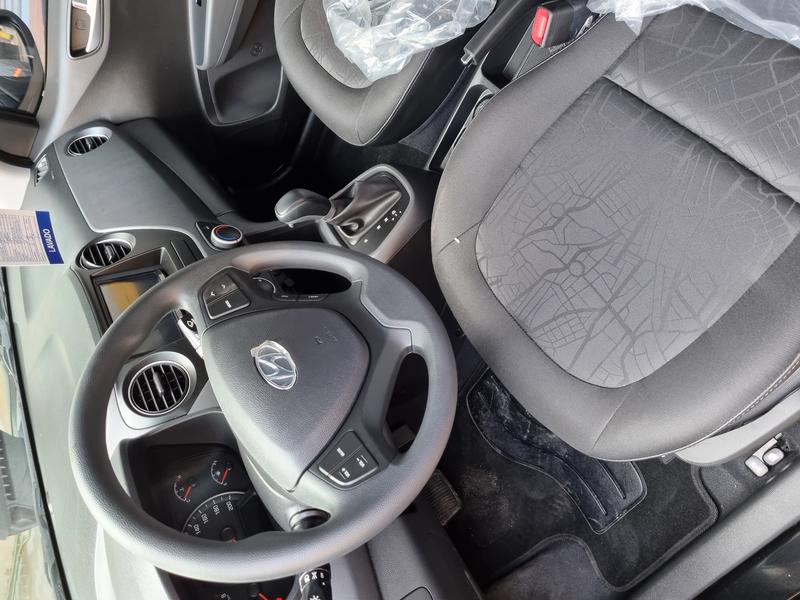
Hola, el precio es de $13,000 dólares (Negociable). El auto es nuevo, solo tiene recorrido de hyundai hacia la cochera. Cuenta con: - Seguro vehicular por 1 año - Soat - 30% de descuento en mantenimiento de la tienda hyundai - Gasolina ⛽ y GLP tanqueados Me encuentro en Surco viejo, en caso requieras una cita me comentas para brindarte mi número. Muchas gracias 🙂

Nipa eniti o ta

Àwọn Ìjánu-ìṣàfilọ́lẹ̀
Àwọn Àkọlé 2021

Frequently asked questions

This 2020 Hyundai i10 is in the 3-7 year sweet spot — past the steepest depreciation, modern enough to share parts with current generations, usually still serviceable through manufacturer-recommended schedules. Most Hyundais in this range hold value well if service history is documented.

This listing is below the typical mileage band for a 2020 Hyundai — most i10s of this age show closer to 15-20k km/year. Low mileage is a price-supporting attribute but verify the odometer hasn't been rolled back (check service records and inspection-station logs in Peru).

Lima, Lima ni a ìwọ-iwọn Peru oja fun sedans. O yoo ni igbagbogbo wa kan ọwọn ti comparable Hyundai i10 listings — tumọ si iye owo iwadi ohun ṣugbọn onibara ti o de ni siwaju ju a nla hub. Photo the i10 ni ọjọ ati iye ni 3-5% ti comparable actif listings.

A low-kilometer 2020 Hyundai i10 carrys its own checklist: low-use vehicles can develop dry-rot in seals, brake-disc surface rust, fuel-stabilizer concerns if it sat for long stretches, and battery degradation. Verify the odometer against service stamps and inspection logs in Peru — low-km history is also a common odometer-fraud target.

Peru requires SOAT (or its local equivalent) — basic third-party liability included with annual registration. For a mid-tier Hyundai i10, full-coverage private insurance on top usually runs 3-7% of the vehicle's market value per year. Quote with two or three carriers before listing day; rates vary widely by Lima.

Gasoline pricing in Peru is moderate. For this i10, expect monthly fuel cost to scale roughly with kilometers driven and the manufacturer-rated economy minus 10-15% for real-world conditions.

Ó jẹ́ àtòjọ-àjàdúrò aládàbòójútó. Fún àwọn ìṣàmúlò-ètò mid-tíjà bí Hyundai i10 yìí, a tí a ráwọ́lẹ̀ nípa ìṣàmúlò-ètò àwọn owó nípa àwọn banki àti àwọn ẹ̀yàn-ìpàlẹ̀ wọǹ - gba ìyàn-ìpàlẹ̀ nípá tí a bá kọ́kọ́ kọ́kọ́. A tí a ráwọ́lẹ̀ nípà tí a bá ró pé a tí ìpamọ́ àwọn owó nípá tí a bá kọ́kọ́ nípá àwọn àkọ́kọ́.

In Lima, Peru, you'll need the tarjeta de propiedad, the current SOAT certificate, technical-mechanical inspection (revisión técnico-mecánica) for vehicles older than the threshold, the contrato de compraventa, and the seller's cédula. The transit secretariat in Lima processes the transfer.

This is a private-seller listing — an individual selling their own Hyundai i10, not a business. Treat it like any other person-to-person purchase: meet in a safe public location (a police-station parking lot is the gold standard), verify the seller's ID against the title before any money changes hands, and never wire funds before seeing the vehicle in person.

Kilomita keji fun Hyundai i10 ti odun yi ni o fi iye ti a ra padà pamọ́ nípa ìtumọ̀ - awọn onígbàloju ni Peru ti n wa nípa ìṣàfilọ́lẹ̀ mileage. Kilomita ọgọrun kan fún gbogbo kan ti a fi kun odometruu laarin bayii atí ìjáde nínú ìgbà ìròyìn tí o fi iye kejì ti a lè fi pamọ́ pamọ́.

On a mid-tier listing in a mid-sized market like Lima, Lima, expect a 4-8% negotiation window. Sellers here have fewer competing listings to anchor against, so the listing's age and your readiness (cash in hand, financing pre-approved) carry more weight than aggressive pricing comparisons.

Tí a bà fí aagóbàwò kaǹ tabi ile-iṣẹ́ owo-ìpamọ́ kaǹ nípa yìí Hyundai i10, àwọn àkọ́lé ní lien tí a fi pamọ́. Kò fi àwọn owò lọ́wọ́lọ́wọ́ lọ́wọ́lẹ́wọ́ lọ́wọ́lẹ́wọ́ lọ́wọ́lọ́wọ́. Àwọn ìṣàmúlò-ètò ìṣàmúlò-ètò nínú Peru: aagóbàwò tí a bá ráwọ́lọ́wọ́ ráwọ́lọ́wọ́ lórí àwọn àwọn àwọn àwọn àwọn àwọn àwọn àwọn àwọn àwọn àwọn àwọn àwọn àwọn àwọn àwọn àwọn àwọn àwọn àwọn àwọn àwọn àwọn àwọn àwọn àwọn àwọn àwọn àwọn àwọn àwọn àwọn àwọn àwọn àwọn àwọn àwọn àwọn àwọn àwọn àwọn àwọn àwọn àwọn àwọn àwọn àwọn àwọn àwọn àwọn àwọn àwọn àwọn àwọn àwọn àwọn àwọn àwọn àwọn àwọn àwọn àwọn àwọn àwọn àwọn àwọn àwọn àwọn àwọn àwọn àwọn àwọn àwọn àwọn àwọn àwọn àwọn àwọn àwọn àwọn àwọn àwọn àwọn àwọn àwọn àwọn àwọn àwọn àwọn àwọn àwọn àwọn àwọn àwọn àwọn àwọn àwọn àwọn àwọn àwọn àwọn àwọn àwọn àwọn àwọn àwọn àwọn àwọn àwọn àwọn àwọn àwọn àwọn àwọn àwọn àwọn àwọn àwọn àwọn àwọn àwọn àwọn àwọn àwọn àwọn àwọn àwọn àwọn àwọn àwọn àwọn àwọn àwọn àwọn àwọn àwọn àwọn àwọn àwọn àwọn àwọn àwọn àwọn àwọn àwọn àwọn àwọn àwọn àwọn àwọn àwọn àwọn àwọn àwọn àwọn àwọn àwọn àwọn àwọn àwọn àwọn àwọn àwọn àwọn àwọn àwọn àwọn àwọn àwọn àwọn à